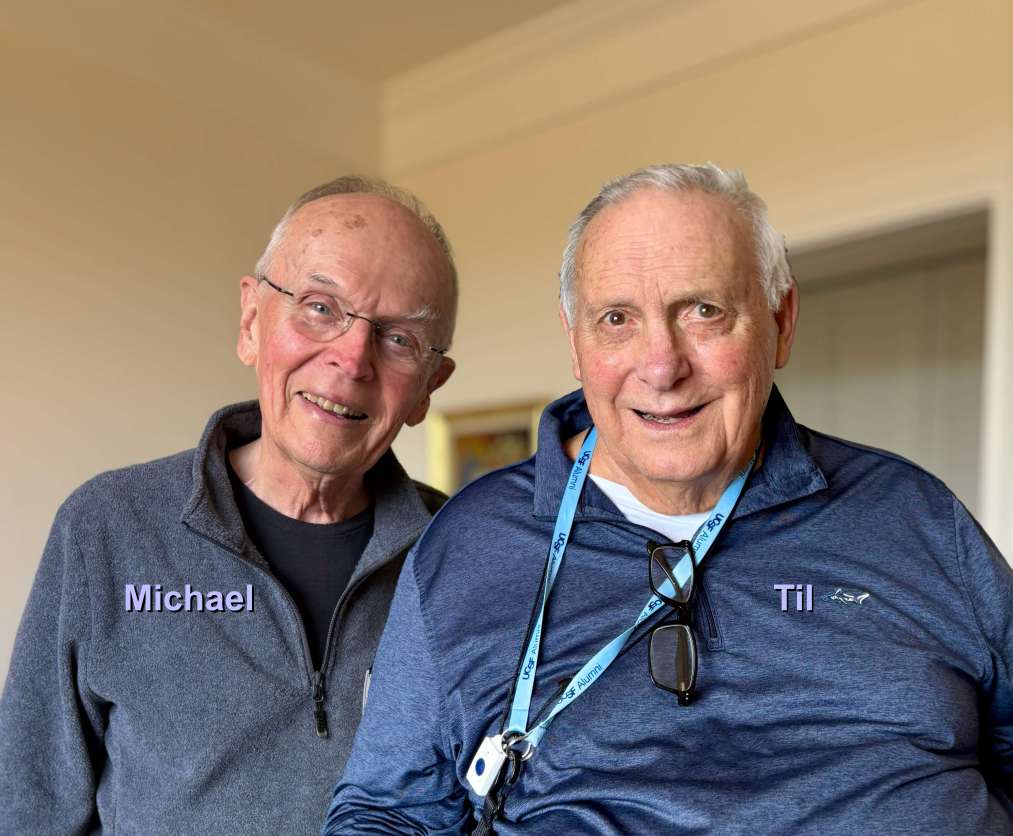
[Til] My name is Attilio ‘Til’ Mossi, W6CQC.
[Michael] And I’m Michael Fisher, K6MLF, Til’s friend from Spreckels Lake and Ham Radio, here to record the life story of Til Mossi.
[Til] Okay, Michael, let’s start this. When I first went to school, I went to the French school, which is Notre Dame des Victoires on Pine Street. After graduation there, I attended Saint Ignatius College Preparatory on Stanyan Street. And then after that, I graduated from University of San Francisco in 1957. Following that I went into the family business, which was A. Palladini, Inc. fish dealers.
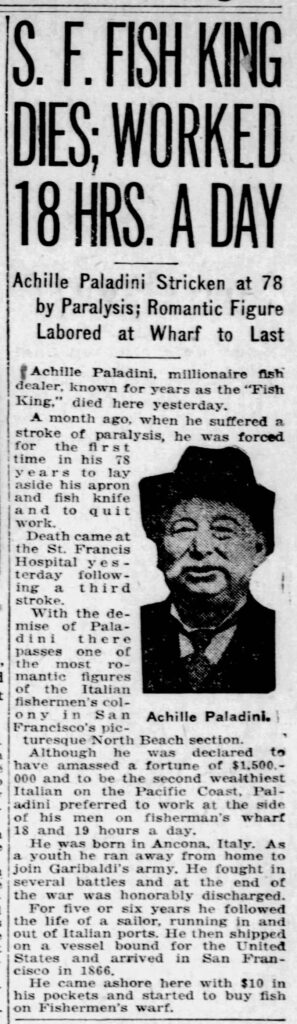
[Michael] Tell us a little bit about Mr. Palladini, your grandfather.
[Til] My grandfather started his business when he arrived here from Italy in 1865. And he became “The Fish King” of San Francisco.
I started from the bottom up and then basically I became in charge of all the equipment, the rolling equipment, and eventually had some of my hands in taking care of the boats.
[Michael] How many boats were in the fleet?
[Til] We had five stern trawlers. They dragged a net in back of them. And then all that fish was brought into the market, which was prepared for distribution to the restaurants and fish markets.
[Michael] How far away?
[Til] We also exported to Europe and also sold to New York. But most of the salmon that was then caught in the river, Pittsburgh and up that way. Pittsburgh is north of San Francisco. We had a receiving plant there, which we sent carloads of fish back to New York in ice cars at that time.
[Michael] On the train?
[Til] On the train, yeah. So from then on, after the river was shut down by the environmentalists, salmon was strictly caught by fishermen with their small boats in and out of San Francisco, Point Reyes, Port Bragg, Eureka, and some in Santa Cruz.
[Michael] And Bodega Bay probably?
[Til] Bodega Bay also.
[Michael] You were the manager of the rolling stock and of the boats?
[Til] There were no titles in those days. You did what you had to do.
[Michael] So how long were you with the Palladini Fish Company and when did you retire?
[Til] I was with the fish company until 1974.
[Michael] What gave you the most pleasure in your years with the Palladini Fish Market?
[Til] The greatest pleasure we had was the fishing business. It was a great business to be in. It was very vibrant. Once you got the fish in, you had to make sure you got it taken care of. You got the fish processed and got it sold. It was a 24-hour-a-day job.
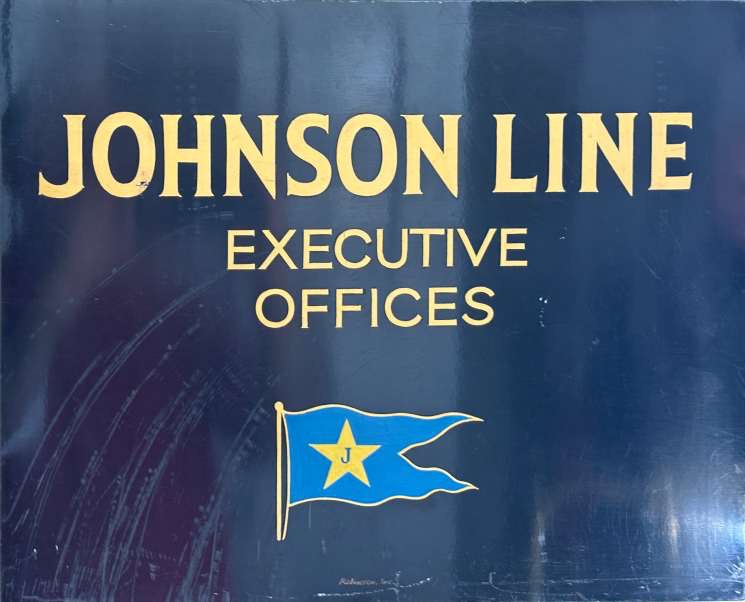
From then, I moved to Johnson Line, which was a Swedish steamship company, and I was in charge of four ships from the Panama Canal to Vancouver, Canada. They were four car carriers and carried up to 4,000 or 5,000 cars on each vessel. And I was in charge of the operation of that, including the stevedores and discharging and all the other handling of the vessel until it got to Vancouver, Canada.
[Michael] At what point did you become a ham radio operator?
[Til] I became a ham radio operator in 1957. One of my best friends, Jack Molinari, became an Amateur. And we went out a couple of times in his car that he put the mobile rig in, and I got interested in it. And that’s how I became a ham.
[Michael] Jack Molinari was a longtime supervisor for the city and county of San Francisco.
[Til] Jack Molinari was, as a matter of fact, I think he was president of the board for nine years.
[Michael] Quite a figure in his own right. And Jack lives about 10 blocks away from here?
[Til] He lives up on Russian Hill right now. We’re still good friends. He was in my wedding, and I was in his wedding.
He arranged for me to learn the code, and that was the hardest thing. And then after that, then he gave me the book to study the test, and I passed the test, and I became a Technician at that time. That was six meters. Then I bought a six meter rig. And I got something like 33 or 34 states worked on six meters. It was very hot in 59, 60, 61. You could follow the states down the east coast, start in Maine and go all the way down the coast. And they were loud and clear, just like we’re talking now.
[Michael] I first met Til at Spreckels Lake. The guy who introduced us was Peter McElmury, AA6SF. And he was quick to point out that the SF didn’t stand for San Francisco. It stands for Semper Fi. He’s now a silent key. But Peter is the one who conceived of and put the Critical Mass up in San Francisco. And then he helped me set up the one in the North Bay. But I met Peter before he was involved with the Model Yacht Club.
On a rainy day, I was there at Spreckels Lake. And I saw these hams in the rain, all bedraggled, having a meeting. So, I walked up and I said, Hey, come on into the boathouse. Get out of the rain, have your meeting. Really? Really? Could we? And so, from that, I met Peter. And from Peter, I met Til. And Til has been a member of the San Francisco Model Yacht Club forever. What got you involved in the Model Yacht Club?
[Til] How I got involved in that was after I left the fish business, I was working for the steamship companies. I said I wanted to get a steam engine. There was a model shop on Mission Street called Pat’s Models. Have you heard of that?
[Michael] I remember going into it. Yep, it’s gone.
[Til] Yeah, but he was a machinist. So, I went in and started talking about steam engines to him. He said, You don’t want steam; you want electric. He talked me out of it.
[Michael] Oh no, that’s too bad.
[Til] I don’t have the first boat I built because my daughter has that one. The other daughter has the second one here. But all electric, all radio controlled.
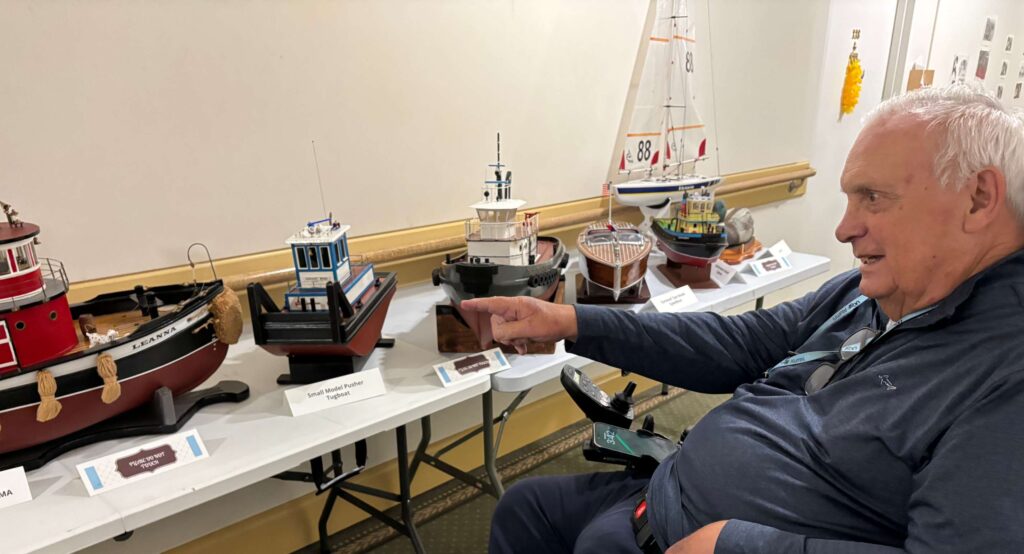
[Michael] One of the things that knitted me other friends together was when Til lived in West Portal.
[Til] My wife would not let me put an antenna on my house. So there went my radio days.
[Michael] We puzzled over how could we put a stealth antenna that, as he called, his wife was the “design review committee.” And we tried a number of options, and they all failed.
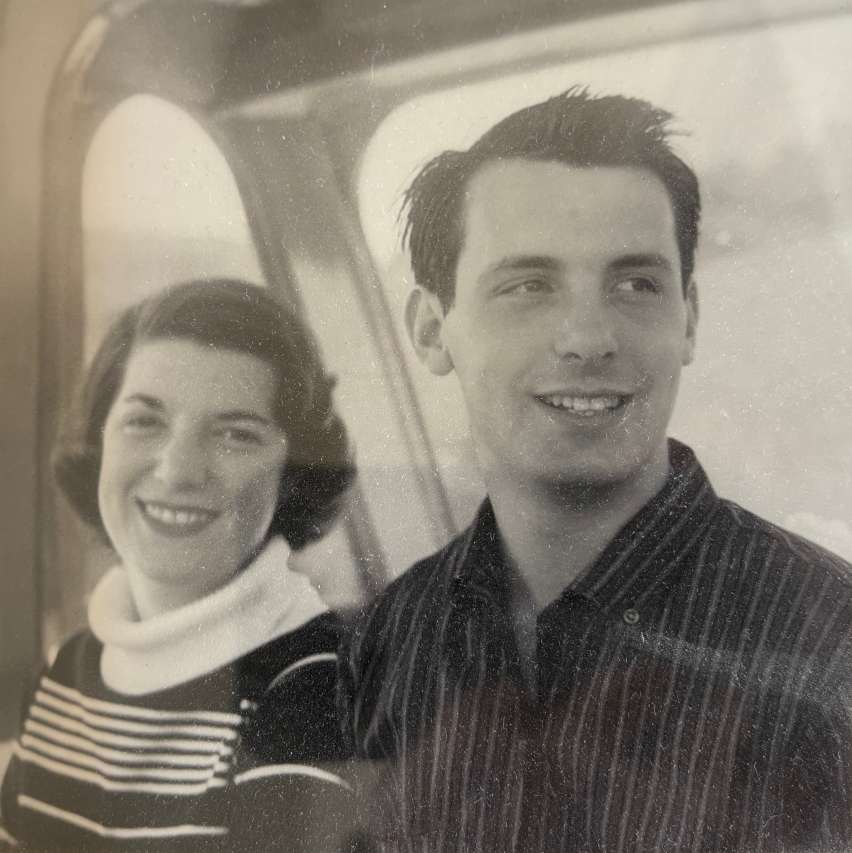
[Til] So finally, I was able to talk her into getting a two-meter rig. Being that the antenna was really small, I was able to get that one on the roof. That’s when I started.
[Michael] The “design review committee” in West Portal nixed his HF radio. But when his wife passed and he moved, he sold the house to the Jesuits and moved here.
[Til] Right now, I am now living in the retirement home called the Heritage on the Marina in San Francisco, Marina District. It’s located opposite Fort Mason. My room has a view overlooking the Bay and I’m able to see all the (marine) traffic and activity on the Bay from my window.
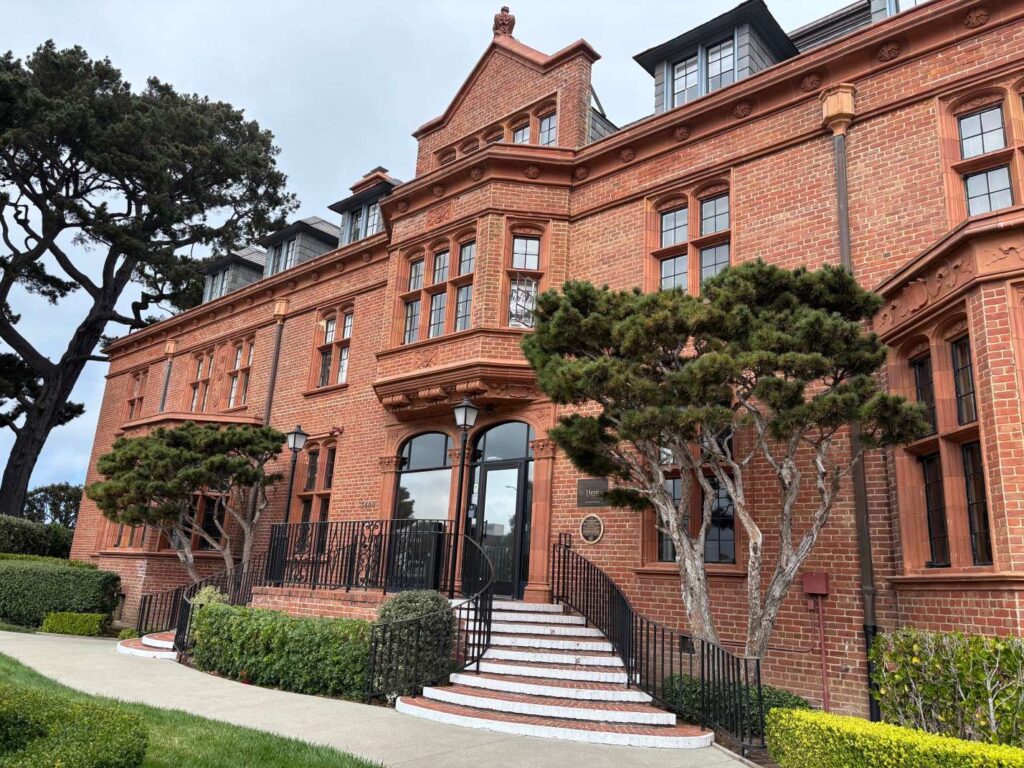
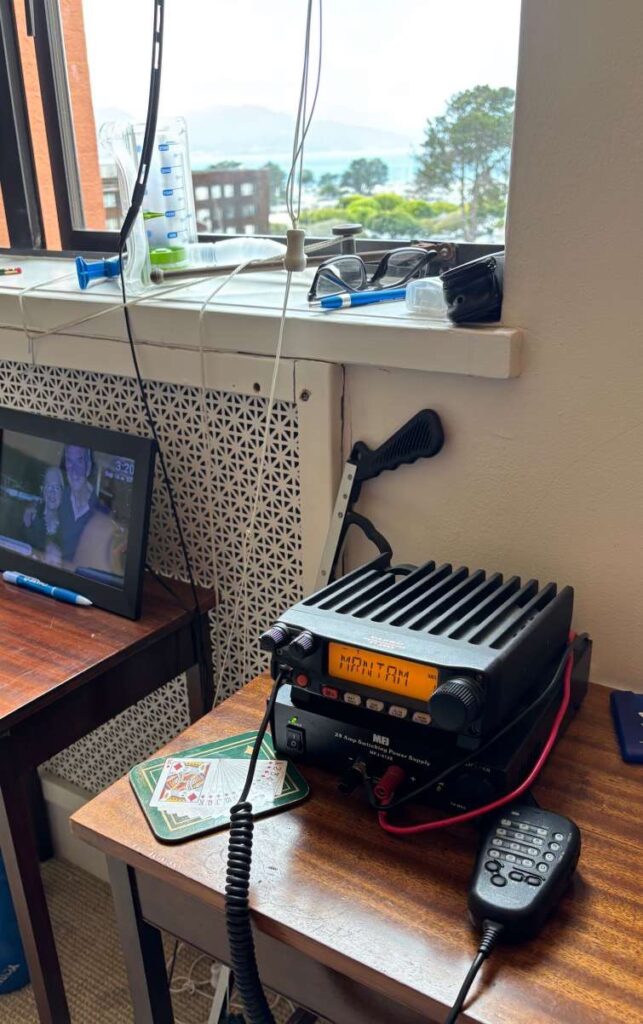
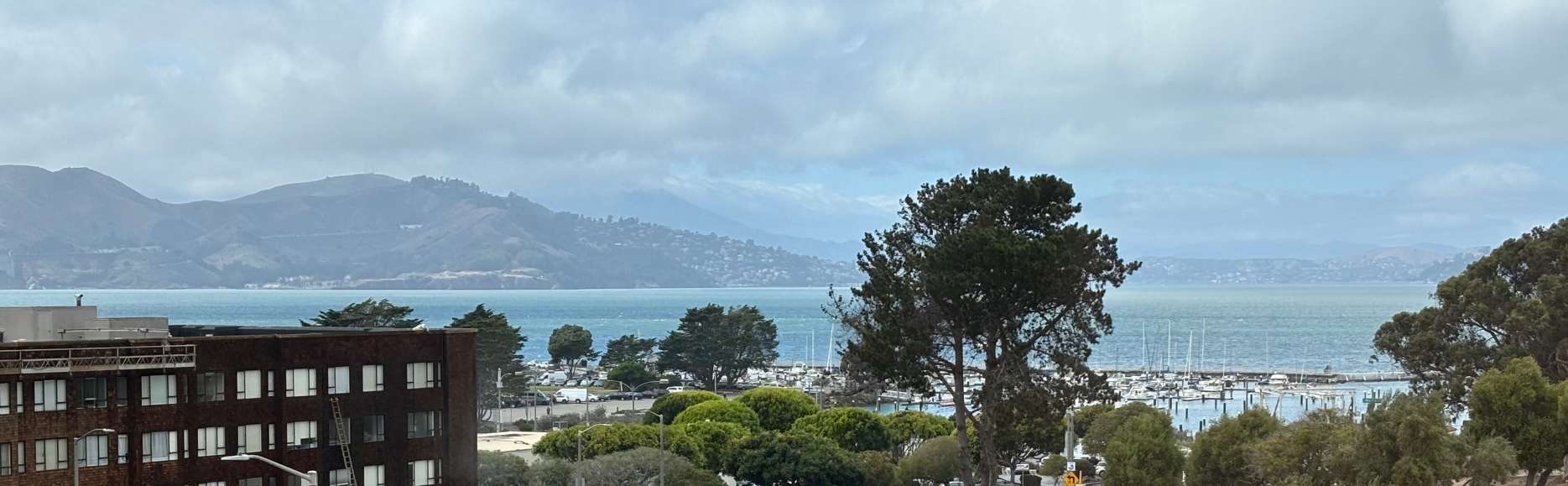
I have also in sight the top of the (Waldo) tunnel and, and Mount Tamalpais, which I also have a direct shot from my VHF radio. The main building here is a Julian Morgan building, which just passed its 100 year anniversary.
[Michael] And how did you get an antenna past the “design review committee” of this place?
[Til] Because the superintendent in maintenance said, we need emergency communication. So I said, well, you got it. So then I got the HF rig.
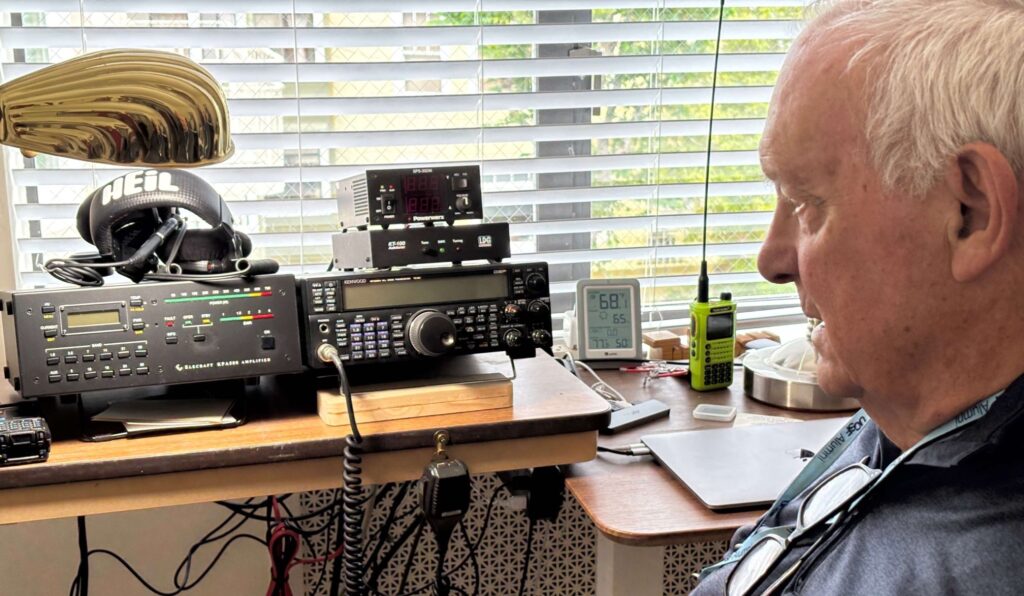
[Michael] And we got some help from Steve Wilson (W6SDY) as to exactly what kind of antenna he should put up. Because the feed is going to go up from his window here. And then the antenna goes quite a long distance toward the south.
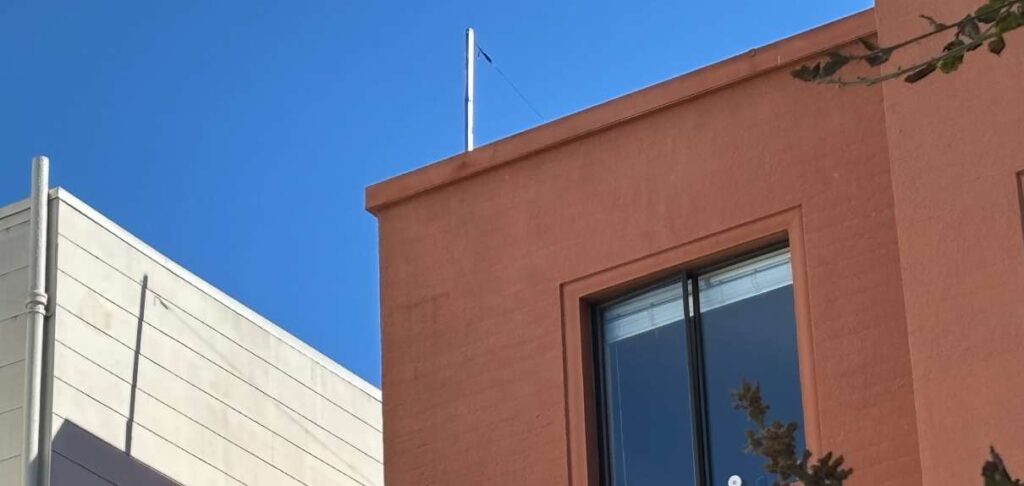
[Til] It’s 135 feet long.
[Michael] So that’s why we went for an off-center fed dipole with stanchions on the parapet up on the roof about three feet high.
[Til] Oh, they’re bigger than that now.
[Michael] Are they?
[Til] They’re up 8 feet now.
[Michael] So I hear you almost every Tuesday checking into the Southern Marin RACES Net. And tell us about the antenna you have here in the window.
[Til] This guy Ed Fong has a good antenna. So I bought one from him.
[Michael] This one hangs in the window in front of your view of the Golden Gate Bridge. And as such, you are one of four people in San Francisco who regularly check into the Southern Marin net.
[Til] Most of the time, it’s only three of us.
[Michael] Yeah, it’s yourself and Bob, WB6ZAA, and Jeff, KK6JJZ. But the purpose of your checking in is to be able to reach outside of San Francisco. And the purpose for us in Marin is to be able to have somebody here in case the Golden Gate Bridge goes down.
The second radio frequency I hear you on almost every week, he’s on more frequently than I am, is the Mission Trail Net on 80 meters. 80 meters.
[Til] I do that one all the time.
[Michael] And tell us about the Mission Trail Net.
[Til] It’s supposed to be the oldest net. It was established in 1939. And it’s been on the air ever since every day of the year.
[Michael] What’s the geography that it covers?
[Til] There’s a southern division and a northern division. The southern division is Southern California. The northern division has everything going up to Idaho and Montana.
[Michael] The valuable thing for a net like that is, if you’re on as frequently as Til is, you become a known person. The voice is familiar. The birthdays are recognized. The anniversaries are recognized. And so, when an event occurs, if he needs help, he turns into this net and they’ll say, Oh, we know Til. Til, what do you need? And so then he’ll say, Well, I need traffic passed to Sacramento.
[Til] Some people turn their noses up at ham radio because they don’t understand it. It’s like talking a foreign language to somebody. They don’t know the physics and all. You got to put effort out to get effort back. It’s not like turning a radio on and listening. You have to be able to go and search for these people. And I feel you have to give your time and effort to make these things happen if you are to succeed and achieve what you want to do.
Recorded on September 16, 2026 in San Francisco, CA