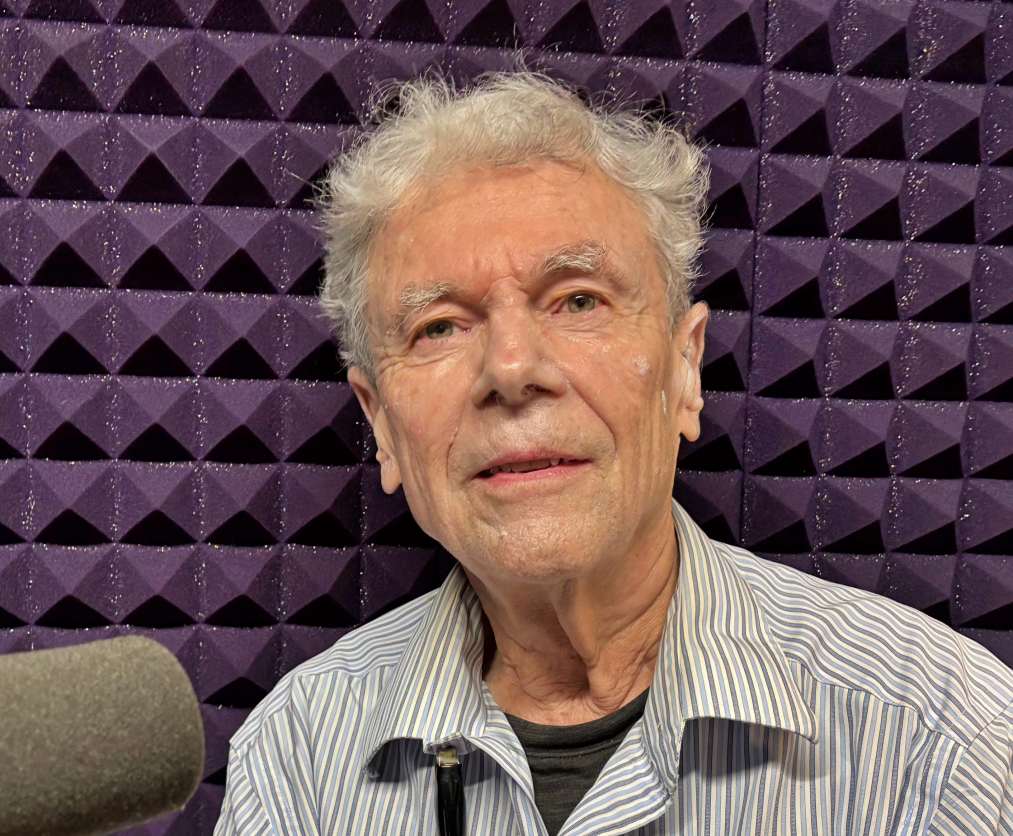
Hi. My name is Derek Van Loan, WB6VXS, Whiskey Bravo 6 Victor X-Ray Sierra, formerly WA2JYE back in the 1960s.
Before I was even a teenager, I was interested in radio communications and I built a one-tube radio with bits and pieces of discarded gear and a couple of 45-volt batteries somebody gave me. I learned about troubleshooting to get it all to work. And later on in high school, I met some of the most wonderful people in the world who are still my friends. We were the nerds of Chatham Central School in Chatham, New York. A village on the east side of the Hudson River in what the anthropologists call the Yankee Zone, red barns and white houses.
I had been in a military academy, I had been a pretty unhappy kid up to that point. And these guys who I got to know, one of them who is Captain Stan Wilcox now, he’s a riverboat captain. He and I went off and we got amateur radio licenses, Technician class. He wound up as a CW man in the Navy, Naval Intelligence, copying on the mill Russian, which I think five or six extra characters he had to learn.
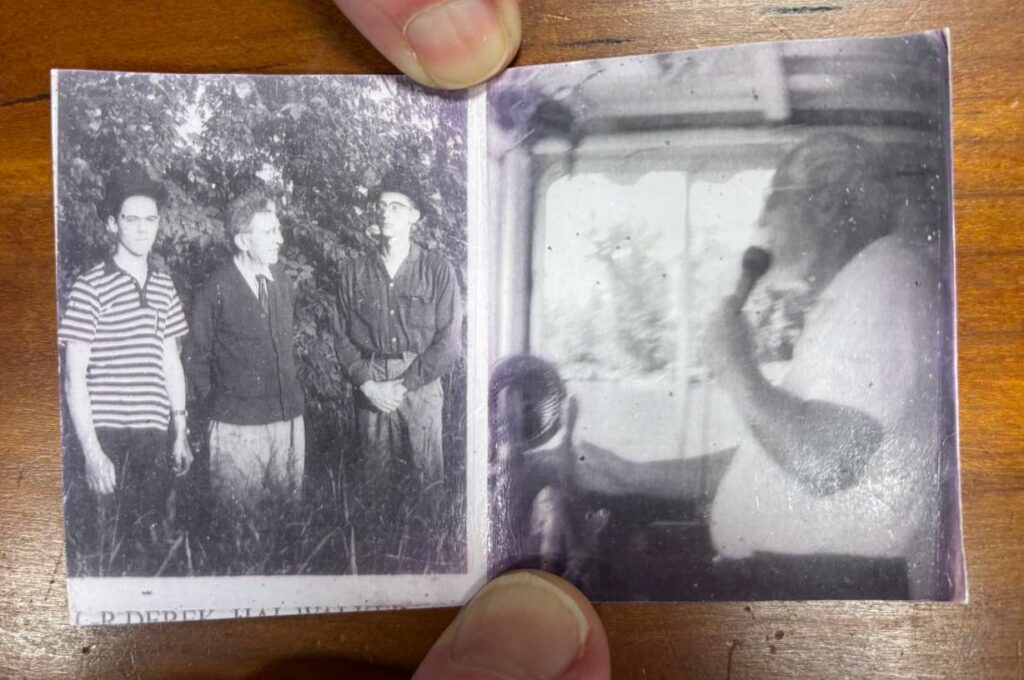
And then two of our other buddies got into commercial radio. Doug Hall, who is a college professor at Portland State University and wrote what I think are about the first textbooks for digital technology, microprocessors and digital systems [“Microprocessors and Digital Systems”]. Our other friend, Chuck or Charlie Butten. He wasn’t into school. It took him one or two years to get through his senior year. We were really proud of him. He had failed gym. And he never had any formal education, but on snow days we’d get in my 48 Chevy and put the chains on and go over to his place up in Canaan. He’d be sitting there on the floor cross-legged with a soldering iron putting something together. His next-door neighbor was Mike Liberty, K2PLP, Pale Little Puppy.
We were really into electronics. Charlie got us building Williamson amplifiers. And the saying in those days was, it ain’t high-fidelity if you can pick it up. Ours were definitely high-fidelity. Charlie was the co-inventor of the beltpack communication device that rock bands all used. He worked for Bob Weir. He was given a technical Emmy Award a few years ago. He is still the chief engineer of Clear-Com, and he’s a very interesting and omnivorous person.
Stan and I both got into ham radio, and then I got into boating when I came out to the San Francisco area. And ham radio back in the 60s and 70s was probably the best communication available for long-distance yachtsmen.
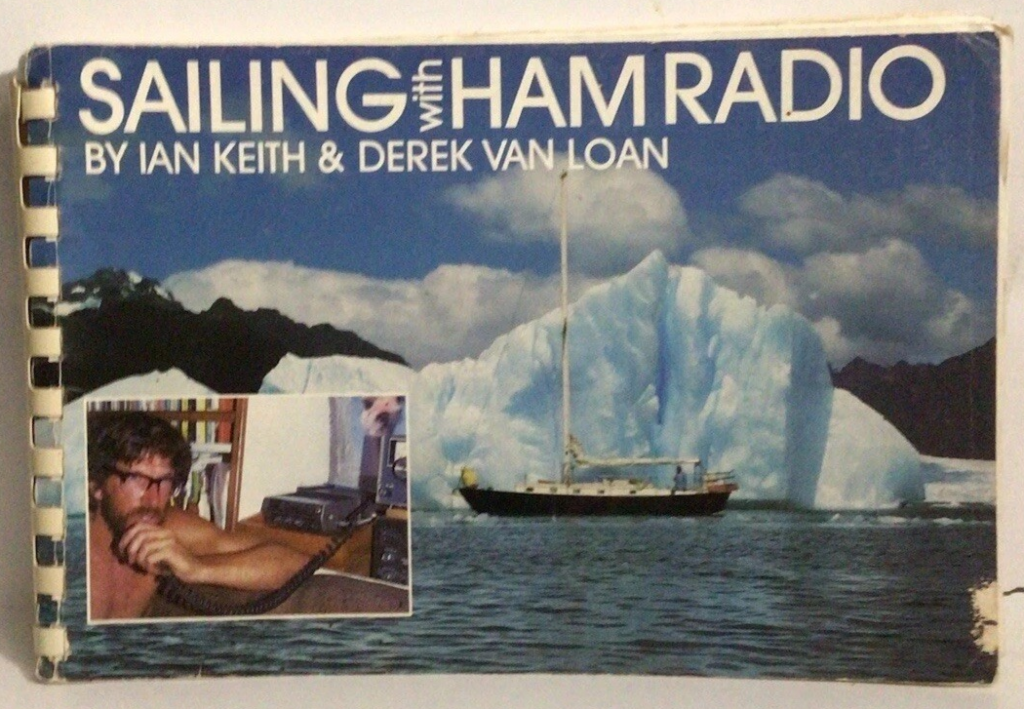
One of my friends, Ian Keith, had built a ferroconcrete 37-foot cutter. He sailed around the planet, and he made his money by doing yacht deliveries. And we were bringing a boat over. He had called me up on a phone patch from somewhere north of Tahiti and had me meet him in Hilo on a 40-foot wood cutter, Phil Rhodes designed, built in the 60s in Japan. Teak, been down in the tropics for a long time. It was like a tropical rainstorm below every time a wave passed over the decks. We had plastic tents to sleep under. We made the passage in 22 days. Sailing is defined as hours of sheer boredom and moments of sheer terror. But in those moments of sheer boredom, we got into talking about how a lot of boating people needed to know more about ham radio. So we wound up doing a book called Sailing with Ham Radio. And it sold about 6,000 copies before the technology got a little obsolete.
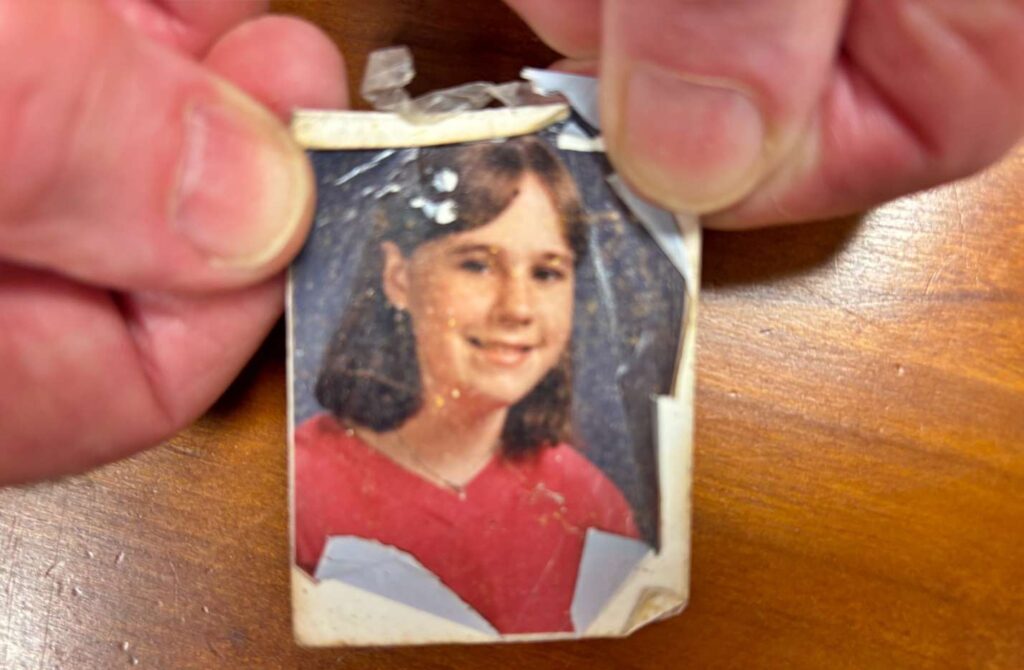
My daughter, Katrina Van Loon, was the youngest member of the club back in the early 90s, and she got her Technician ticket when she was 13. Woody, one of the old club members, gave us enough antique parts, which he had bushels of, to build a one-tube regenerative set, which I hooked up to my 40-meter dipole over my house here in Mill Valley. And it actually worked. Rather than solder up a B supply with a rectifier tube and all that, I collected nine-volt batteries at Radio Shack and snapped them together until I had about 100 volts for the B supply, and that worked. My daughter never really got into CW, but she loved the annual field days, and they loved her because she was a girl. So she would drag other hams from all over the world to help expand those QSL cards.
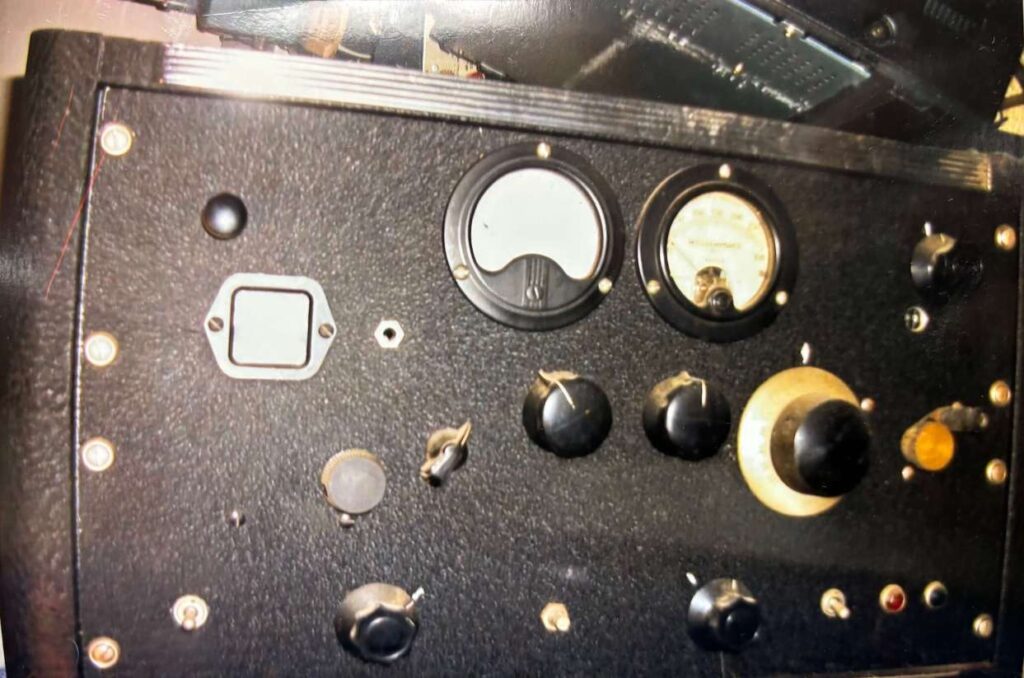
I came by the ham shack here in Mill Valley, which used to be up in Novato at Hamilton Field. I was never active when that ham shack was established. I came by to try to give away what many would refer to as a boat anchor, but a lovely piece of high-frequency gear, a ham transmitter, CW, with VFO that my friend George Hutchins had designed. And George goes way back. His father was a Keystone cop in Los Angeles. His father also was a real L.A. policeman, so I understand that a lot of the Keystone cops were real L.A. policemen. George was on a tugboat off of Los Angeles, and he was the radio man on that tug. And the earthquake of 1927, the city of Los Angeles, all communication was out except for George for about 12 hours. And George on his amateur rig, which he also had on the tugboat, maintained communications. And this rig he designed, I’ve got the schematic and everything lovely, and I used to hear it on the air. Never talked with him on CW with that. He had an excellent tone, and he had a wonderful fist because he was also an operator out at the Marconi Center out on Point Reyes.
I don’t have my 40-meter dipole up anymore. A couple decades ago, my last time on the air was on an HW-8 Heathkit on the 40-meter band, CW QSO. And when I re-roofed the house, the 40-meter dipole went, and I’ve been off the air ever since, so I’m a little rusty.
I’m not really great at sitting around talking on Ham Radio. My Elmer was a retired head of a post office. And he was on the 160-meter band AM with other postmasters in New England. The nearest one to us was over in Malden Bridge and there was one in Connecticut and so on. And those guys could sit and talk for hours. And they were the most relaxed bunch. And they had some of the most interesting equipment. The guy in Malden Bridge had a transformer that buzzed and he had a big old commercial cage with tubes glowing inside. And one of the transformers he had, I think it was a modulation transformer. The only way he could get it so it doesn’t buzz was to hang it by a rope in the middle of that enclosure on its side. So there were some interesting people.
My brother Jere was active in the club back in the 90s and he helped people get their licenses. His call sign is KQ6HB. He also got involved in the emergency communications thing. In his first race, the Dipsea race, he had to be involved in calling in a helicopter. The end of that, somebody who had a heart attack was not a good ending. And he was also in that fire that was over in West Marin [Mt. Vision Fire]. He was there. So he put in a lot more time in club activities than I did.
And I’m a little guilty because I’m an inactive ham. Even at my age of 86, I’m still active with a lot of irons and a lot of fires.
Recorded on September 10, 2026 in Mill Valley
“I remember those classes well at Hamilton AFB. A lot of very supportive elderly men. I will be very honest with you and say that while I appreciated the education, I ALSO very much looked forward to the HOT CHOCOLATE treat at break time. I should look into getting my license in the UK if I get the time…”
– comment by Katrina Murray (née Van Loon)